Although it is obvious that pictures in younger grades are extremely beneficial I think that it is necessary to note that it can benefit older grades as well. A lesson that is on the environmental factors of pollution is something that pictures would greatly help with. It is one thing to say that pollution hurts our environment, but it is another to show students the things that THEY do are directly affecting OUR environment. This picture below is a strong example of how their pollution affects our environment. Students should and probably would gain a lot more out of this picture then if I were to just tell them that they should pollute. The citation is followed after the picture.
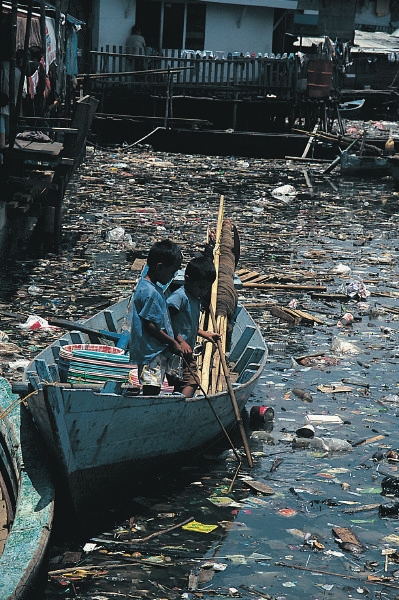
Photo Attribution:
Original image: "Obvious water pollution"
http://upload.wikimedia.org/wikipedia/commons/d/dd/Obvious_water_pollution.jpeg
by: Stephen Codrington
Released under an Attribution-Non-Commercial-Share Alike License
http://creativecommons.org/licenses/by/2.5/deed.en


I really like the picture that you chose for this assignment. When I was thinking about what type of picture to find for this assignment, the first thing that popped in my head was diagrams of some sort. I eventually picked a stunning photograph of the moon instead, something I could use in any grade. It never crossed my mind to use such a real world picture, but you made a great point about how with some things, you really just have to see it. I mentioned the same thing with the moon, but with the moon, students can look outside and see it; they can't necessarily look outside and see things like water pollution or what is happening with the oil spill and the animals affected, for example. I completely agree that images, especially photographs, can be very powerful in education and they can be even more powerful when the photos are powerful themselves, like the one that you chose.
ReplyDelete